
working your way over, under, & around writer’s block

writers blockI’ve been suffering from writer’s block as of late. As in I don’t know what to write about. As in I’m stuck. As in my brain is glitching. As in I have nothing to write about.

As in I haven’t been writing.

Every writer in the history of, well, ever, has suffered from writer’s block. Although writing is a passion, a need, a calling, sometimes those words are blocked from the flowing circuits of your brain and you just don’t know what to do. You are left staring at a blank screen as the blinking cursor mocks you.

You can’t always push through, so to speak. You can’t always push and punch that block until it crumbles. So what other options do you have?


GO AROUND IT

Although that block may seem like the Great Wall of China, you do have the option to go around it. Step away and do something else. Get outside, play in the dirt, do something crafty, bake some cookies, dance to music—do something that is a good distraction but something that will keep the wheels turning. You’re not giving up. You’re giving your mind a much-needed break as you reassess, re-strategize, and attack again.


GO OVER IT

Stuck on a paper or a part of the plot? Skip ahead. Go over the tricky part and write something you know will happen later. Sure, once you go back to that tricky part it may change, but it keeps you writing and makes you feel like you still got something done during your writing time. Also, going ahead may help you figure out why that block was there in the first place.


DIG

This is more than going under. This is digging deep. Write like your life depends on it, and see what happens. You may not get the words you need out on paper, but you’ll get something there. It may be a new project is clouding your brain, or something in your personal life is in the way, or what you’re writing is too personal—but you have to dig in and follow that tunnel to find the light at the end.

Keep writing.

If you know nothing else is going to help, then Type. Scribble. Scratch. Delete. Type More. Soon enough, that block will fall through, and you’ll be on the other side waving at it as you keep going.


This post was originally written for & posted on Stark Contrast Editing‘s blog. Make sure to check out Katelyn’s amazing new site and the services she and others offer. Plus, more posts by yours truly!
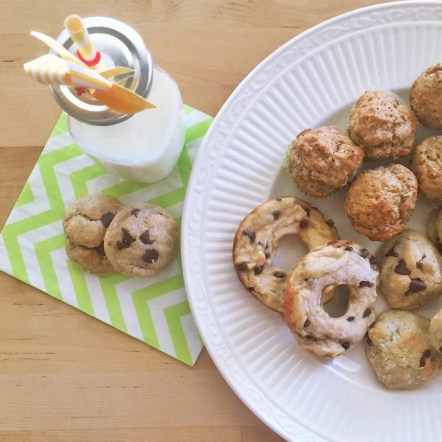
my name is emily, and I’m a procrastibaker

procrastibaker_ehdI spent most of my weekend baking instead of writing.
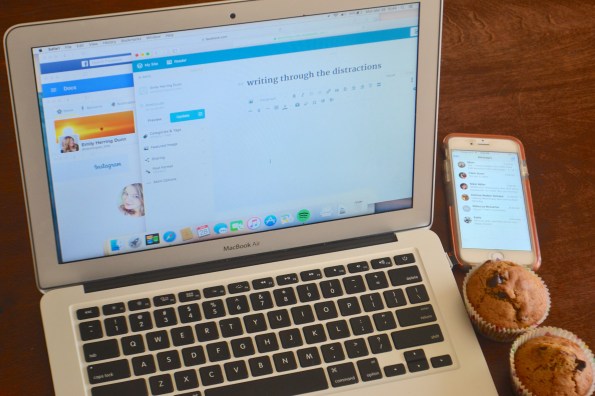
Waffles. Pancakes. Bread. Muffins. Cookies.

You name it, I was baking it.

This is my process.

The other day I made a casserole, some muffins, and a new bread recipe before sitting down and writing 5,000 words. The first in a very long time (so it felt like).

Every writer has a process.

One of my favorite scenes from “Under the Tuscan Sun” is when she talks about how she procrastinates, makes brownies, and then becomes a writing machine.

I so relate.

I mean, sometimes I just like to bake, but truthfully it happens the most when I’m searching for something.

A scene. A character. An answer. A dilemma.

I’m searching for what will happen next, or how a character should feel, in the sugar and flour and eggs.

Much like writing through the distractions, I bake my way through my novel.

I am a procrastibaker.

Procrastibaker:

DefinitionSomeone who bakes to put off what they really should be doing, or bakes in order to help find what they are truly searching for.

See also: writers, Emily Herring Dunn, stress-eaters

If I get stuck, or I’m not quite in the “mood”, or I can’t sit down for three hours and push through because of, well, life– I bake. I procrastinate and delay writing by making a new recipe.

What’s sweeter than that?

Not sure.

I’m also not sure how this will work out for my waistline.

But whoever said writing was a glamorous life clearly wasn’t a writer.

Maybe it’s glamorous once you’ve had a best seller, but the writing process…definitely not GATSBY-like.


If you’re looking for some of my personal recipes, you can check out my other site: The Newfangled Housewife.

writing through the distractions

I am the worst at taking my own advice.

Here I am trying to write a piece about writing through the distractions–and I’m distracted. A load of laundry that needs to be put in the dryer, an appointment that needs to be changed, activities that need to be planned, books that need to be researched…

See what I mean?

Distractions.

writing through the distractions

We always have to-do lists, let’s be real. Even if you don’t write yours down or you’re REALLY good at not thinking about the things you need to get done, they’re there, lurking in the shadows of your brain.

And that’s just part of it.

Nowadays, there are more distractions than the things you need, or even want, to do. There’s Facebook and snapchat and Twitter and Instagram and, well, Google. The world is at your fingertips on your phone, computer, watch…you get it. There’s no escaping the distractions.

So how do we sit down and clear our mind to let words find form on pages so that we may follow through with our passion, our work, dare I say–our calling?

KNOW YOUR BEST TIME OF DAY

Don’t plan to write in the morning if you know you’ll be distracted by the to-dos, the planning, the emptiness of the day before you. Don’t plan to write at night if you know you’ll be too tired.

Plan to write (yes, plan) when you know you’re at your best. While creativity can strike at times we don’t expect, and in those cases we have to go with it, still have a time PLANNED in case other things cloud your day.

CLEAR YOUR MIND

Totally easier said than done. When that time you’ve planned finally comes, find a way to zone out. Whether it’s playing some music or baking before you write–do something to clear your mind and make way for those words. I usually make a list of what I still need to do and then bake while listening to classical music.

Yeah, I do it all, just to make sure I’m in the zone.

ACCEPT THE INEVITABLE

There’s no escaping the world. If you don’t turn off your phone, someone may call or text. If you have kids, one may bust in and throw off your groove. If you have roommates, they can be noisy or bug you. That’s just how it is. The important thing is to set aside that time, and if it gets interrupted, get back to it as quickly and the best as you can.

Writing is work. Anyone who tells you otherwise is lying. Writing, revising, editing—it’s a cycle that we must go through, but you get something at the end.

You get to say:

“I wrote a book.”

And even better, someone else will get to read it someday. It’s a constant fight to get your words into the hands of your readers, but they will be so glad you did.


This post was originally written for & posted on Stark Contrast Editing‘s blog. Make sure to check out Katelyn’s amazing new site and the services she and others offer. Plus, more posts by yours truly!

respect your inner writer

imageI have not been respecting my inner writer.
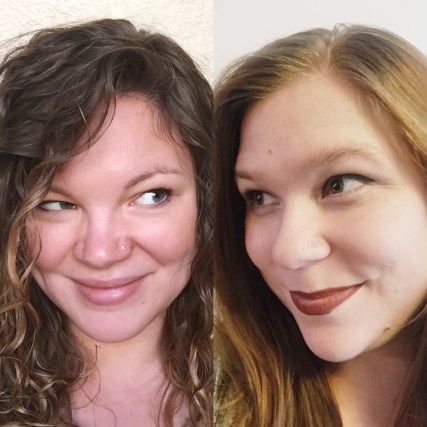
Let’s just get that out of the way.

I’ve had a hard time lately getting much done. I don’t mean to sound whiny, or negative, but it’s true. There’s been mostly playing catch-up and acting like I can somehow get ahead of everything I have on my plate.

And let’s be real, we all feel that way some times.

I recently got a rejection that I didn’t want to mention or share on here. Partially because I think it’s unprofessional, and partially because it felt like a below-the-belt rejection. However, rejection is a part of life… and if I can’t share at least the big picture fact that I was rejected, then this doesn’t seem like a place I’m being honest with everyone.

The thing is, because of that rejection I started plunging into different projects. I was avoiding sitting down and writing, because I was afraid that my writing was no longer worth it.

Call me melodramatic, but it’s how I was feeling.

Everything was so personal. The words, the reasons, the rejector. And as much as authors have to grow an extra layer of skin for these types of things, there is no denying that some rejections are going to hit harder than others.

And this one, my friends, hit HARD.

After looking around, I stumbled upon this article by Alice Osborn (poet and author).

Suddenly I realized, she was right.

No, she doesn’t mention rejection or how to handle it. In fact, this post has nothing to do with rejection. It has everything to do with being a writer. We have to respect ourselves and our craft, and not just talk about it.

That’s all I’ve been doing. I’ve been talking about writing. And writing about writing. But, ironically, I haven’t been WRITING.

I’ve been talking about my latest book, or my book that’s on submission, or another new book idea, or what I want to do to an old project… but I haven’t been doing. I’ve just been talking.

That’s no good.

We have to respect ourselves as writers.

What does that mean?

It means setting the stage to get our jobs done.

We don’t write because we want to, we write because we HAVE to. There’s a burning fire way down deep that can vibrate through our bones, our veins, through our fingertips. That fire is what keeps us going, and only we have the power to squelch it or help it grow.

No one said it was going to be easy.

The things that are worth it in life are never easy.

Love. Beliefs. Jobs. Relationships. Goals. Dreams.

They all hold their own challenges, and we find out what kind of people we are when we decide to reach for them, to hold them, to protect them, to perfect them.

But in order to do anything, we first have to have self-worth and self-respect.

So, I’m challenging myself to follow the steps from that article.

Set boundaries. Show up. Take risks. Make goals. Invest.

WRITE.


Have you been devaluing your inner writer? What do you think you can do to change that?


Want a $10 Starbucks giftcard to treat yourself? Here’s how you can enter!

1 Entry: Follow this site!

1 Entry: Like the Facebook page

1 Entry: Follow on Instagram

1 Entry: Follow on Twitter

1 Entry: Share your favorite post on Twitter or Facebook and tag me when you do!

Make sure to comment on here, Facebook, or Instagram with everything you did! Extra entry opportunities will be shared on Instagram tomorrow as well. Open until Saturday, March 26th at midnight EST. Winner announced Monday, March 28th. Good luck!


the dating pool of critique partners and writing buddies

imageThe first time I tried to write a full-out novel was in high school. One night my best friend was sleeping over and all of a sudden we had this amazing idea. We started bouncing plot lines off each other and names and characters and backstory.

Before you knew it, we were starting the book.

We planned out research and had a floppy-disk (oh, yeah, way back when) and binder dedicated to all the amazing things we did and found. It was amazing.

And that’s how our friendship died.

Ok, not really, but pretty close.

You see, writing a book is so personal that as we grew and wrote together, we drifted apart with little more to talk about than the amazing novel we were putting together.

And that creates problems.

We were less and less friends/writing buddies, and more and more business partners, because coauthoring a book doesn’t always work, but that’s a different tale.

The point is, it IS important to find a writing buddy and critique partner, but you have to have a person that is either close enough that you can encourage and push, but you respect enough so you can withstand criticism and suggestions.

How do you find this mysterious balance?

1. Test drive.

Not everyone is great for a writing buddy or critique partner. Some aren’t meant to be both. If you try to be someone’s CP and they can’t stand the way you do things, or vice versa, then you tried! Shake hands, and move on. You don’t want to feel obligated to stick with someone, which is why it’s important to be solely professional or have a friendship that can withstand the heat.

2. Balance is key.

You want to find someone that you can work with. Sometimes it takes give and take, and it ALWAYS takes feedback. Let each other know when and how you work best. Find someone you know will push you to write with encouragement and loving force, but not hold it against you if you’re in a slump and truly just CAN’T. If that’s what you need. We all work differently. But everyone needs the balance of love and encouragement with honesty and drive. If you have a CP or writing partner who never pushes or encourages you to keep going, then you’re probably in the market for a new one.

3. Keep the competition at bay.

While you want someone who knows your subject and enjoys it, you may not want someone who’s writing in your identical field. Why, you ask? Because it brings out the competitive nature of writing. You can be 100% supportive and still be bitter if someone gets a deal before you. It helps to soothe this green-eyed feeling with, “Well, we write different things. It will be my turn soon.”

4. Just keep swimming.

Even if you haven’t found that special person to encourage you or exchange manuscripts with, it doesn’t mean you should stop writing.

Keep going. Keep dreaming. Keep writing.

Eventually, you’re going to see that book in print. And if you do find that special someone to be part of your writing life, you’ll be just as proud when you see their book in print as well.

The picture is of me and my fabulous CP, Nikki Roberti.


This post was originally written and published on Stark Contrast Editing. Check out the amazing services Katelyn and staff have to offer (and for more pieces by yours truly).

finding the time to be a writer

I’ve been the worst at making time to write lately. (My life is a constant state of chaos.) So at the end of the day I try to justify it by reminding myself of everything I got done… and then promise I will write at least 500 words the next day.

finding time to be a writerBut the next day turns into the next day, and then the next day, and then the day after that, and so on and so forth until I can’t remember the last time I really sat down and WROTE.
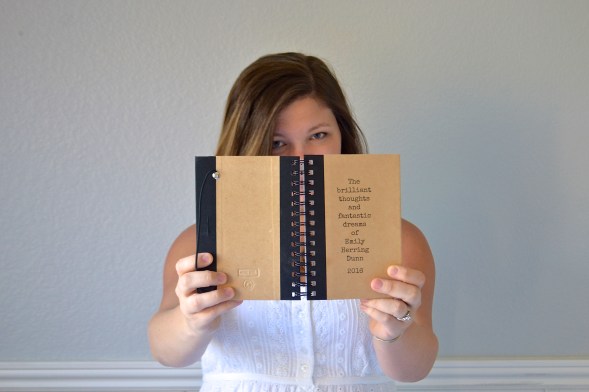
The thing is, I have to stop telling myself I don’t have time today, and instead ask myself, “Is it a priority?”

The answer there should always be the same: YES.

If you’re a writer, writing is always a priority.

Yes, we usually have other lives. A daytime job, school, family, a social life to keep up with– but writing is still at the top of the list. If we keep putting off the words in our heads, soon enough we may find ourselves forgetting them.

And we don’t want that.

But how do we find the time we say we don’t have? How do we sacrifice something that sounds fun in the moment, for sitting down and very possibly having writers block? It’s not easy, but I have a few suggestions.

  1. Make the time.

This sounds silly, but it’s not. Pick a time of day where you know you’ll have an opening. Whether it means waking up a half hour early or cutting your Netflix time short, do it. Don’t just find the time—reserve it. Reserve that time to let the voices inside your head come alive and speak on those pages. You owe it to yourself, and to your future readers.

  1. Carry it with you.

Whether you have Google Docs on your phone, an ongoing note, an easily accessible laptop, or a good ‘ole pen and paper—have something with you to write on, always. There is a time in everyone’s day, or even in the middle of the night, where an idea strikes, and you don’t want to be panicking to find something to write it on. This helps enable your ability to write, always.

  1. Don’t feel guilty.

That one friend that you haven’t hung out with in forever is begging you to go out, but the wheels are turning and you haven’t had this much inspiration in, well, forever. Tell your friend you’re sorry and keep those keys clicking. If she’s not a writer, she may not understand—but she’ll get over it. Never feel guilty telling someone “no” because you’re writing. It is a part of who you are, and you shouldn’t have to sacrifice that.

All in all, everything is easier said than done—but if you want to get that book finished, you have to make the time to do it. You can’t blame lack of time for not doing what you love, because really that only leaves one person you can blame.

Don’t be that person.

Be a writer.


Make sure to follow my Instagram for more writerly & bookish things. Giveaways are in the future, starting with the 100 followers mark!

This post was originally written and published on Stark Contrast Editing. Check out the amazing services Katelyn and staff have to offer (and for more pieces by yours truly).


control freak confession

Truth: I am a control freak.

Myth: This is subdued when I’m writing.emilyherringdunn

I am a control freak. There’s no tip-toeing around the subject.

I like to do things a certain way. In fact, with some things I’m so specific that I don’t even let others attempt to help me.   It’s that bad.

In a world where so much is out of my control, I will admit that I suffer from some unprescribed anxiety. While I am learning to let things go and face fears, a place where my control kicks in to gear is with my writing.

But it’s a GOOD kind of control.

You see, there’s a sort of freedom to this control.

As my characters come to life, they help me realize that I can’t control everything. Somehow they take on minds of their own, and I have to sometimes go away from my original plan and follow their lead. But at the same time, I AM in control… because it’s my story.

(I promise I’m not crazy. Well… maybe a little.)

So why is this a GOOD type of control?

It’s a control that doesn’t cause anxiety. It’s a control that allows me to be creative, to get lost in the beauty, to forget the cares and uncontrollable problems that the real world offers.

And that’s also the beauty of reading.

I may not be able to control someone else’s actions, or make days go exactly as I planned, or understand the thrill of the unknown… but I can see the beauty of it all in a story.

There’s beauty in someone’s car not starting. There’s beauty in being lost at sea. There’s beauty in the secrets of a dusty old mansion. There’s beauty in the unknown future.

Andit helps my control-freak nature.

Truly.


I don’t use the phrase or label “control freak” lightly. I use it because I know what I am, and I know reading and my writing helps.


Does your love of reading or writing help relieve any problems you suffer from?


Are you in LOVE with my notebook? It was a Christmas gift. Check out The Journal Studio. (I am not on commission or a brand rep– I just love their products!)

snobby [young adult] reader

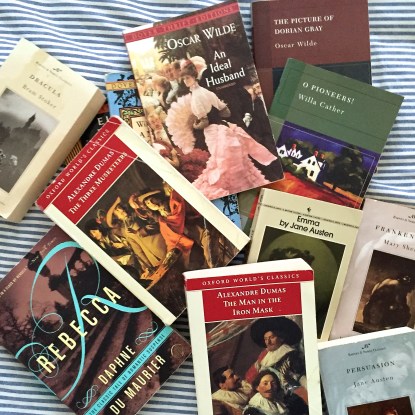
snobby ya readerAs a young adult I didn’t read young adult fiction. I looked at people reading “modern books” and wondered how they thought they could call it reading. After all, you haven’t READ until you’ve read the classics.

In college I had to take an adolescent literature class, and it wasn’t until then that it dawned on me that I was being hypocritical. I thought less of those who actually ENJOYED contemporary literature when I, me, myself wanted to write contemporary literature.

Are you seeing the problem?

The truth is, I used to hate reading just about anything that wasn’t historical fiction or close to it. I still love period pieces the most–it’s why I write them. Being transported to another time with different style and ideals and challenges intrigues me the most.

What would it have been like to live as a governess, or cross America in a covered wagon, or sailed the seas on a tall ship, or lived in the middle of nowhere when technology was a glint of the future?

Books take me to these times, reveal the impossible, and give me a sense of character, through characters, of the time. That’s the beauty of books.

I have since learned, that is the beauty of ALL books. Not just historical fiction.

While I’m probably shooting myself in the foot with this post, I’m sharing to be honest. I didn’t start off reading contemporaries– I started as a literature snob.

It started in first grade when I wrote my first true story: “The REAL story of Pocahontas, not the Disney one.”

It continued to fourth grade when I started reading Shakespeare. And in seventh grade when I read Jane Austen and the Bronte sisters.

I don’t know if these facts come across as bragging, but they’re not meant to. On the contrary, it’s to show that I couldn’t see past the classics stand at Barnes and Noble to open my eyes to so many other opportunities.

But now I have. And it’s exciting. And I’m ashamed of nothing that I read. Because I’m reading, and learning, and growing. And Stephen King really did say it best:

“If you don’t have time to read, you don’t have the time (or the tools) to write. Simple as that.”

I would add: Read a variety of things. Your writing (and knowledge and growth and creativity) depend on it.